
In October 2024, South Sudan declared a cholera outbreak. The Ministry of Health together with the World Health Organization (WHO), led a coordinated multidisciplinary response.
This effort was supported through WHO’s Standby Partnership (SBP) with UK-Med contributing expertise on the ground. The Standby Partnerships provide increased capacity to support UN agencies through deploying expert and specialised professionals in emergencies.
Since early 2025, UK-Med specialists have responded in South Sudan as part of the Standby Partnership initiative. Together, along with their teams, they have worked to enhance rapid response capacity through clinical guidance and outbreak surveillance, strengthening public health interventions and improving coordination and reporting mechanisms.
What were we doing on the ground?
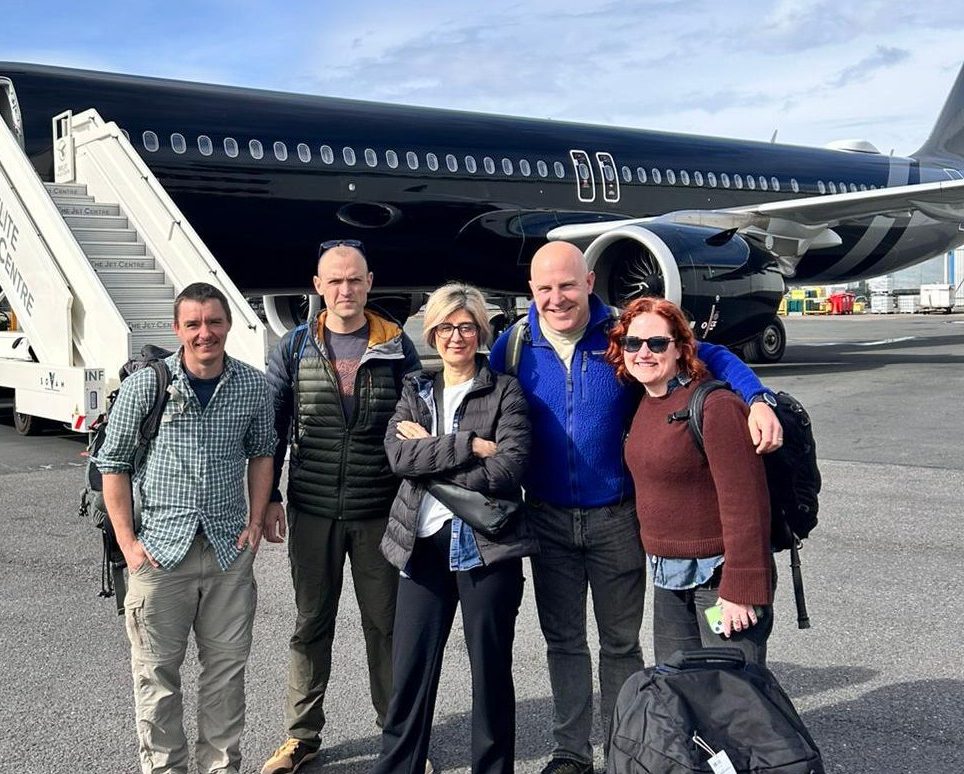
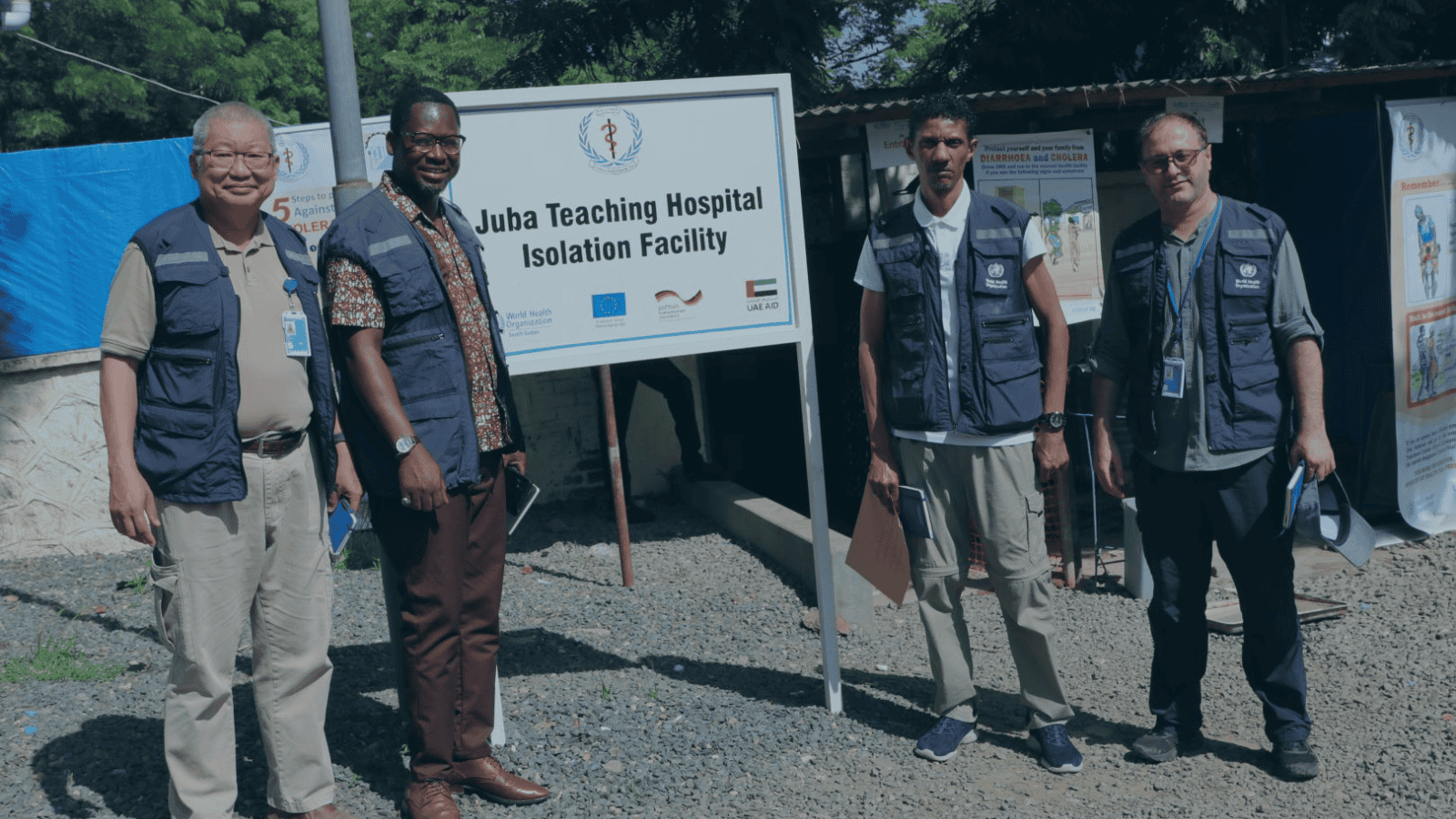
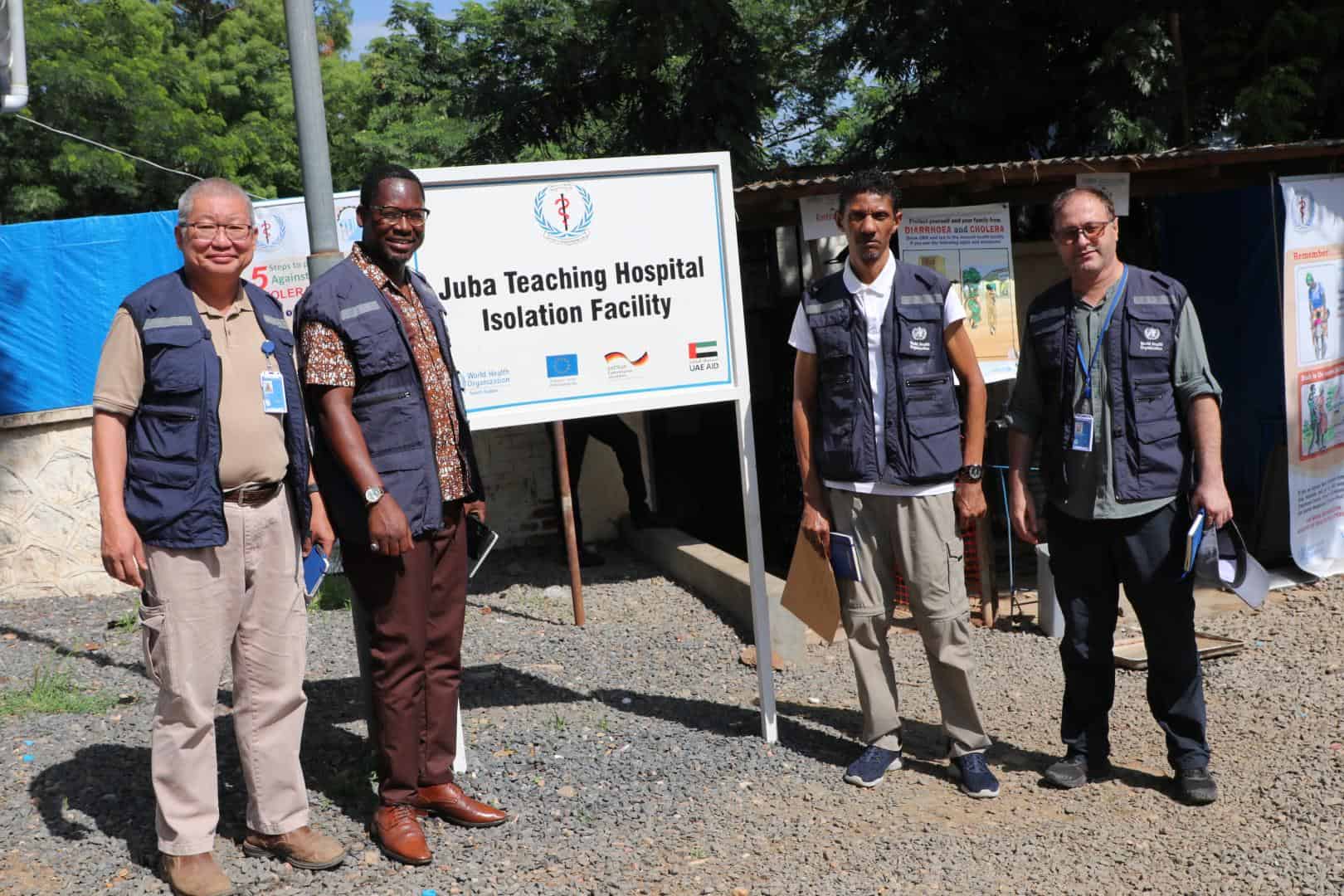
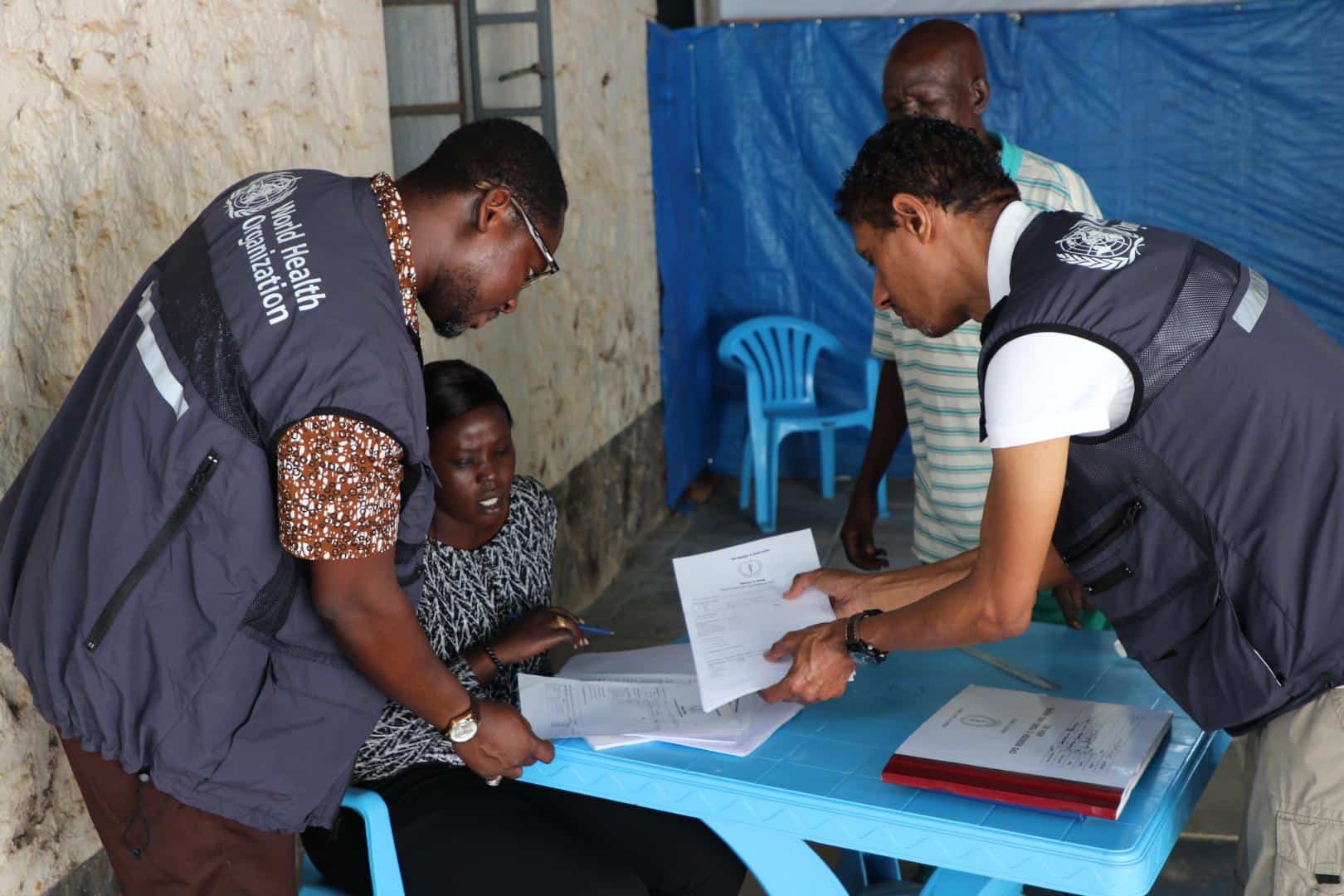
Over the duration of their response, Dr. Fuad Said and Dr. Idris Seyidayo supported the Cholera Taskforce for South Sudan, improving outbreak preparedness and early response. Each specialist brought their own expertise and experience to the response, providing clinical guidance as well as technical coordination.
Dr. Fuad Said, Case Management Specialist, provided clinical guidance and training to frontline health workers nationally, improving treatment outcomes and response readiness in affected facilities. This included:
- Delivering technical guidance on the management of cholera and other priority diseases.
- Conducting field assessments, mentorship, and capacity building to the local national staff.
- Strengthening triage, clinical care, and referral systems in remote health facilities.
- Training healthcare workers in cholera case management.
Dr. Idris Seyidayo, Public Health Officer, provided technical, operational and coordination support on all aspects related to leadership and coordination for outbreak responses for Cholera, in addition to Measles and Meningitis. This included:
- Developing outbreak surveillance and rapid response capacity including early warning systems, hotspot mapping and case investigation.
- Improving public health interventions with hygiene promotion, safe water initiatives and vaccination programmes.
- Deploying outbreak analytics dashboards and structured coordination platforms to support referral pathways.
- Building sustainable preparedness and response capacity via training, mentorship, contingency planning, and technical support for other hazards.
What were the challenges?
As is often the case in emergency responses, challenges arose beyond disease management and separate from the team’s direct delivery of medical care and training.
Dr. Idris Seyidayo explains “operations took place in fragile settings characterized by limited infrastructure, high staff turnover, and persistent WASH risks.”
Local health staff had limited prior experience in managing cholera, which sometimes led to delays in treatment and difficulties with triage protocols—raising concerns about an increased risk of case fatality.
To address this, the team worked closely with health facilities, creating opportunities to learn from one another, strengthen approaches, and better respond to the needs of both patients and staff.
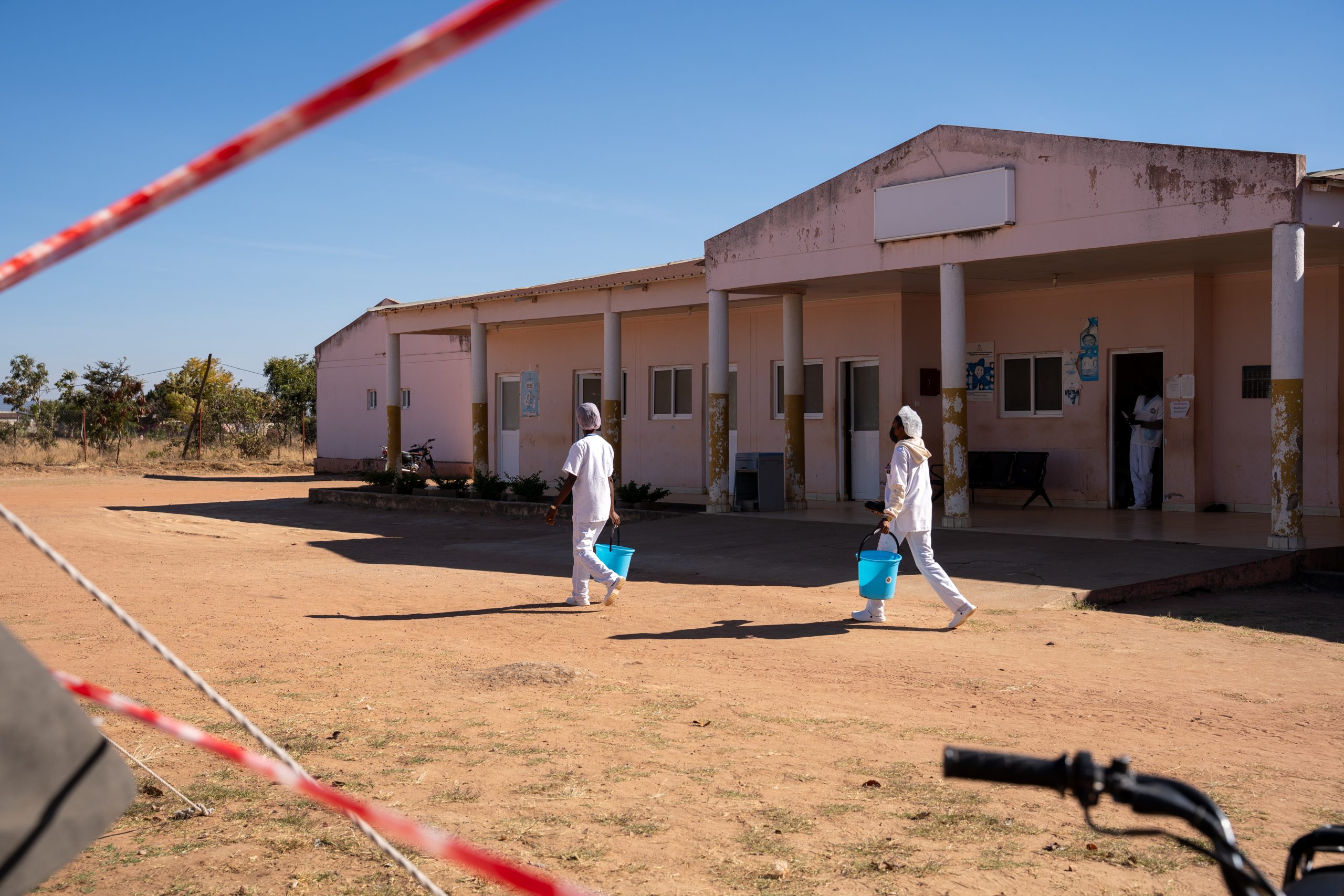
Hospitals and other facilities were under immense pressure, with overcrowding and limited infection prevention and control (IPC) measures. Combined with delays in the medical supply pipeline, these conditions increased the risk of facility-based outbreaks.
To mitigate this, the team worked to strengthen IPC protocols and WASH interventions to improve patient outcomes and reduce community transmission. They also supported the expansion of cholera kit distribution points in hotspot areas to ensure essential case management supplies were readily available.
What was the outcome?
In collaboration with national organizations and local government, the team coordinated a timely and effective response to contain the outbreak while strengthening the broader emergency health system in South Sudan.
Dr. Fuad Said and Dr Idris Seyidayo along with their teams:
- Trained over 100 health workers in cholera case management, helping to develop context adapted treatment protocols and strengthen quality care
- Reduced and sustained cholera mortality to below 1%
- Reduced reporting delays by more than 36%
- Reached 1,857 households with hygiene education
- Trained 30 community WASH officers on outbreak preparedness
- Chlorinated more than 20 water sources
- Successfully supported the establishment and operationalisation of Cholera Treatment Centres (CTCs) in eight outbreak-affected counties
- Strengthened referral pathways and early warning systems in hard-to-reach areas with 405 facilities mapped
Both specialists highlight the impact early detection has on saving lives. Reduced reporting delays improves the sustainability of low cholera mortality.
Through working within multidisciplinary teams, and the integration of health and WASH interventions this team were able to prevent further outbreak escalation.
The advantages of the Standby Partnership initiative
The South Sudan SBP highlights the rapid surge capacity of Standby Partnerships. Dr. Fuad Said explains “It enabled immediate deployment of skilled healthcare professionals during an emergency, minimizing response delays and saving lives.”
This approach not only strengthens the immediate response but also contributes to building long-term community resilience in the face of recurring health challenges.
“The SBP mechanism enables WHO to rapidly deploy specialized expertise where it is most needed. It helps bridge critical capacity gaps in fragile contexts, strengthens local systems, and ensures that emergency responses are both timely and sustainable.”
“Standing shoulder to shoulder with communities, I helped transform fragile systems into resilient ones—proving that rapid surge support can turn the tide of an outbreak and leave behind lasting hope.” – Dr. Idris Seyidayo